
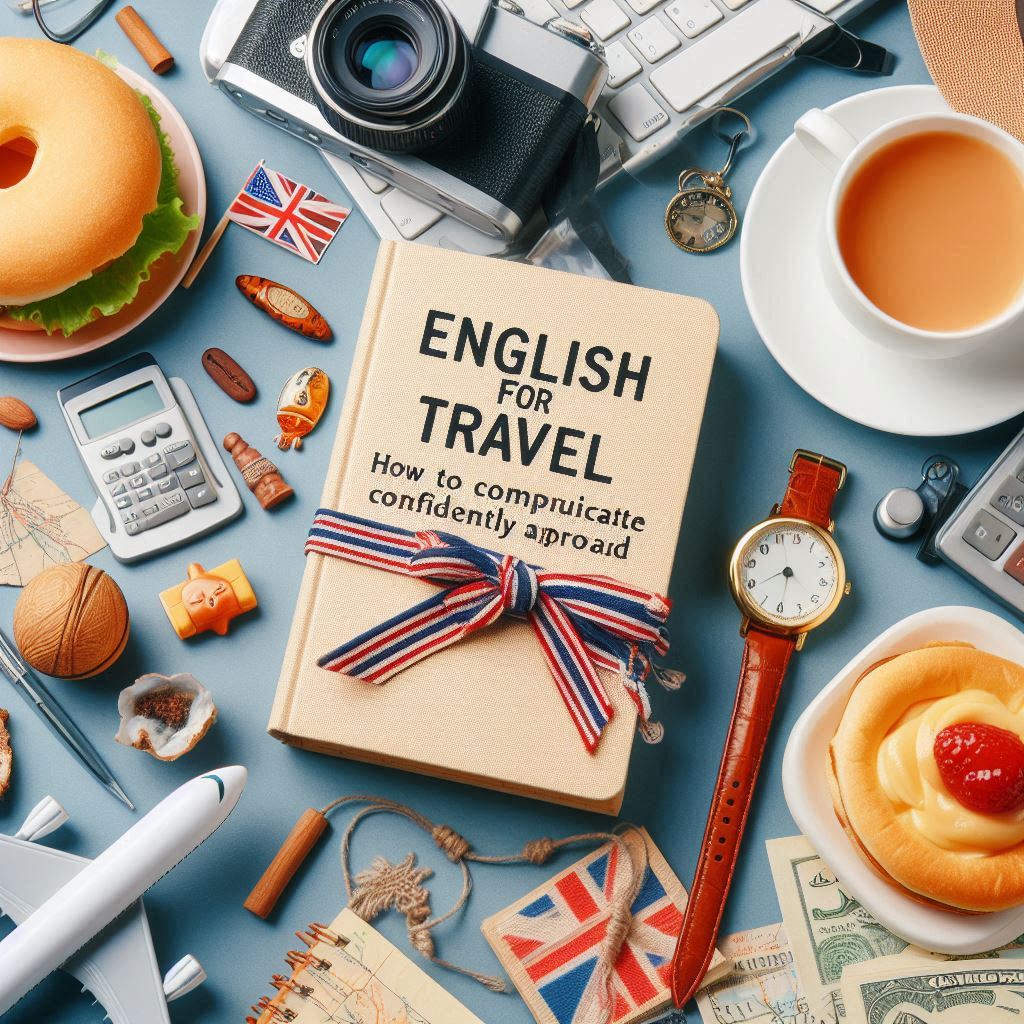
English for Traveling: Speak Confidently Wherever You Go
Traveling is exciting—but it can also be stressful if you’re worried about communicating in English. Whether you’re exploring new cities, catching flights, or ordering food at a local restaurant, having a few practical English skills can make your journey smoother and more enjoyable.
Here’s how to prepare and practice your English for travel:
Learn Key Travel Vocabulary
Start with words and phrases that you’ll use most often:
- At the airport: boarding pass, gate, luggage, check-in
- At the hotel: reservation, room service, check-out, amenities
- At restaurants: menu, appetizer, bill/check, tip
- Asking for directions: street, turn left/right, block, near, far
Focusing on common travel vocabulary makes it easier to navigate real situations without memorizing everything.
Master Essential Phrases
Memorize simple, functional phrases that cover most situations:
- “Could you help me, please?”
- “Where is the nearest…?”
- “I would like to order…”
- “How much does this cost?”
- “Can I pay by card?”
These short sentences will boost your confidence and allow you to handle unexpected situations.
Practice Listening and Speaking
Traveling isn’t just about reading signs—it’s about understanding and speaking English in real-time.
- Listen: Watch short English videos about travel or listen to podcasts while commuting.
- Speak: Practice repeating phrases out loud, even if it’s just to yourself. Role-playing common scenarios helps a lot.
Use Technology to Your Advantage
Apps like translation tools, language dictionaries, or pronunciation guides can help you quickly communicate when needed—but don’t rely solely on them. Using English yourself will help you build confidence faster.
Prepare for Cultural Differences
English isn’t just about words—it’s about communication style. Being polite, using “please” and “thank you,” and smiling can go a long way. Observing local customs will make your experience smoother.
Stay Confident and Flexible
You don’t need perfect English to travel successfully. Most people appreciate your effort to communicate, even if your grammar isn’t perfect. Focus on clarity, politeness, and confidence.
Pro Tip: Start practicing English in real-life contexts before your trip. Order coffee in English, ask questions at stores, or speak with a friend or tutor. The more you practice, the more natural it becomes.
With the right preparation, traveling in English can be fun, stress-free, and an opportunity to meet new people and immerse yourself in new experiences.